EN
USD
You arrive at the table, take out your deck, and realize that the tokens it needs are still at home. Or the card you borrowed for another build never made it back.
A short packing routine can prevent these small interruptions.
Start with a complete deck, the tokens and counters it uses, a way to track life and other game information, and a suitable deck box. Add a playmat, spare sleeves, and other extras according to how you play.
You do not need to bring your entire collection. You need a setup that is complete, easy to carry, and quick to unpack.
| Item | What to check before leaving |
|---|---|
| Complete deck and commander | Cards removed during upgrades have been returned or replaced |
| Relevant tokens | The token types your selected deck creates are included |
| Dice and counters | You can clearly represent the quantities your deck needs |
| Life-tracking method | Your app, tracker, or notebook is ready to use |
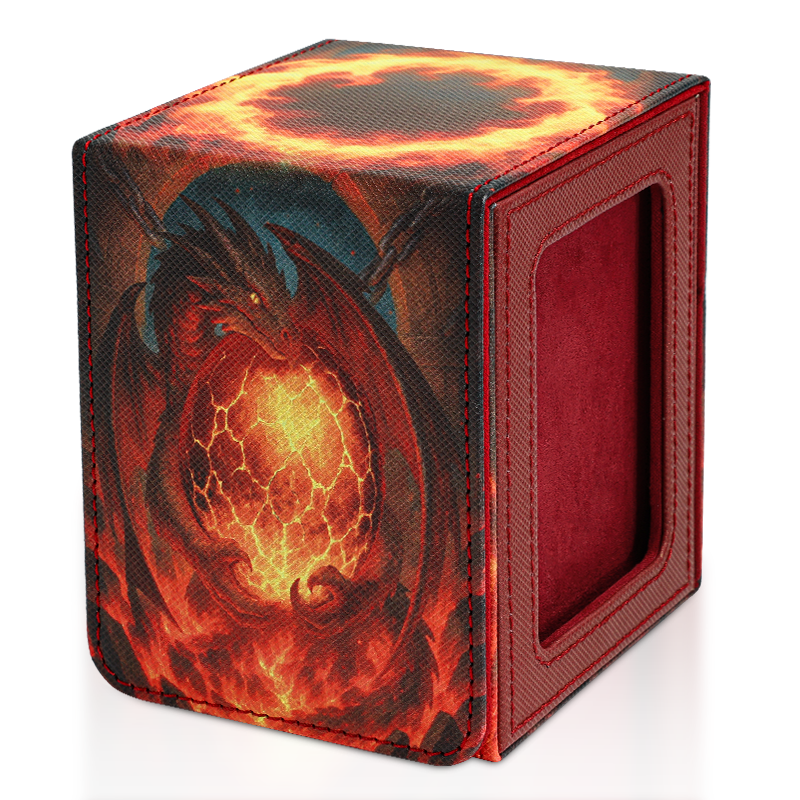
| Deck box or carrying case | Cards fit comfortably and closures work normally |
| Spare matching sleeves | Replacements match the sleeves on your deck |
| Playmat, if used | It is clean, dry, and packed separately from loose cards |
| Phone and charging essentials | Bring these if you rely on your phone during play |
Use this as a starting point, then remove anything you do not need.
Start with the deck itself rather than the bag.
If you recently changed cards, check the deck against your current list. Look for cards left in a trade binder, moved into another deck, or placed aside while testing an upgrade.
Make sure your commander is included, especially if you store it in a separate display holder.
If you bring more than one deck, label the boxes or use another clear way to identify them. You should be able to choose the right deck without opening every container.
One complete deck is a practical starting point. An additional deck can give you another option when playing with different groups, but there is no need to fill every available compartment.
Think about the people you expect to play with and the kind of games you want to join. Be ready to explain your deck’s general strategy and discuss expectations before starting.
For an introduction to the format, visit the official MTG Commander page.
A large mixed stack of tokens is less useful than a small set matched to your deck.
Check the cards that create tokens and gather the corresponding types. If your deck creates several similar tokens, make sure you can distinguish their characteristics clearly.
Reusable dry-erase tokens can also be convenient. If you use them, pack the appropriate marker and a small cloth.
Keep tokens separate from the playable deck, using a dedicated section or a suitable divider. This makes setup easier and helps prevent tokens from being shuffled into the deck during cleanup.
When bringing several decks, either keep each token set with its matching deck or label a shared token pack clearly.
Dice can help track quantities, but a table full of identical dice can become confusing.
Pack a manageable selection and decide how you will distinguish different uses. For example, you might use one color for counters on cards and another for the number of matching tokens.
Be clear with the table about what each marker represents. Avoid relying on a system that only you understand.
Store dice and counters in a separate tray, pouch, or compartment. Loose accessories should not move against your cards inside a deck compartment.
Choose a life-tracking method you find comfortable: a dedicated tracker, an app, or a notebook.
Also make sure you can record other information relevant to your games, such as commander damage from individual commanders. Keeping separate information clearly labeled is more useful than trying to remember what each number represents.
If you use your phone, check its battery before leaving. A charging cable or small power bank may be useful for a longer session.
A pen and small notepad can provide a simple backup without taking up much space.
A playmat is optional, but it can give you a familiar playing surface. Pack it clean and dry, and use a suitable compartment or carrying sleeve rather than forcing it around your cards.
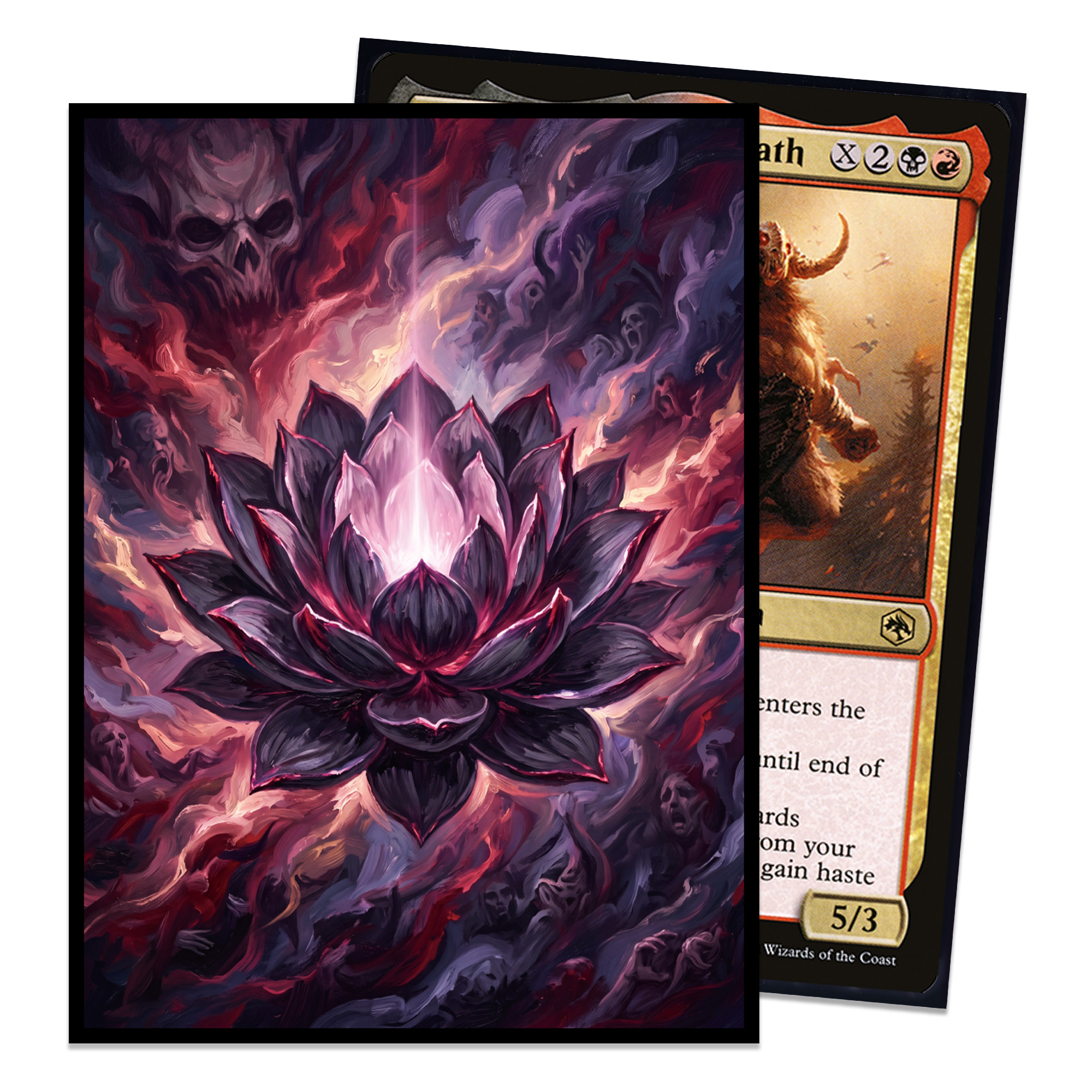
A few spare matching sleeves are also useful if a sleeve splits or becomes damaged during play.
Keep replacements flat and separate from dice or other objects that could crease them. If you double-sleeve, consider bringing a few matching inner sleeves as well.
Before using a replacement, check that it matches the rest of your deck in size, finish, and appearance.
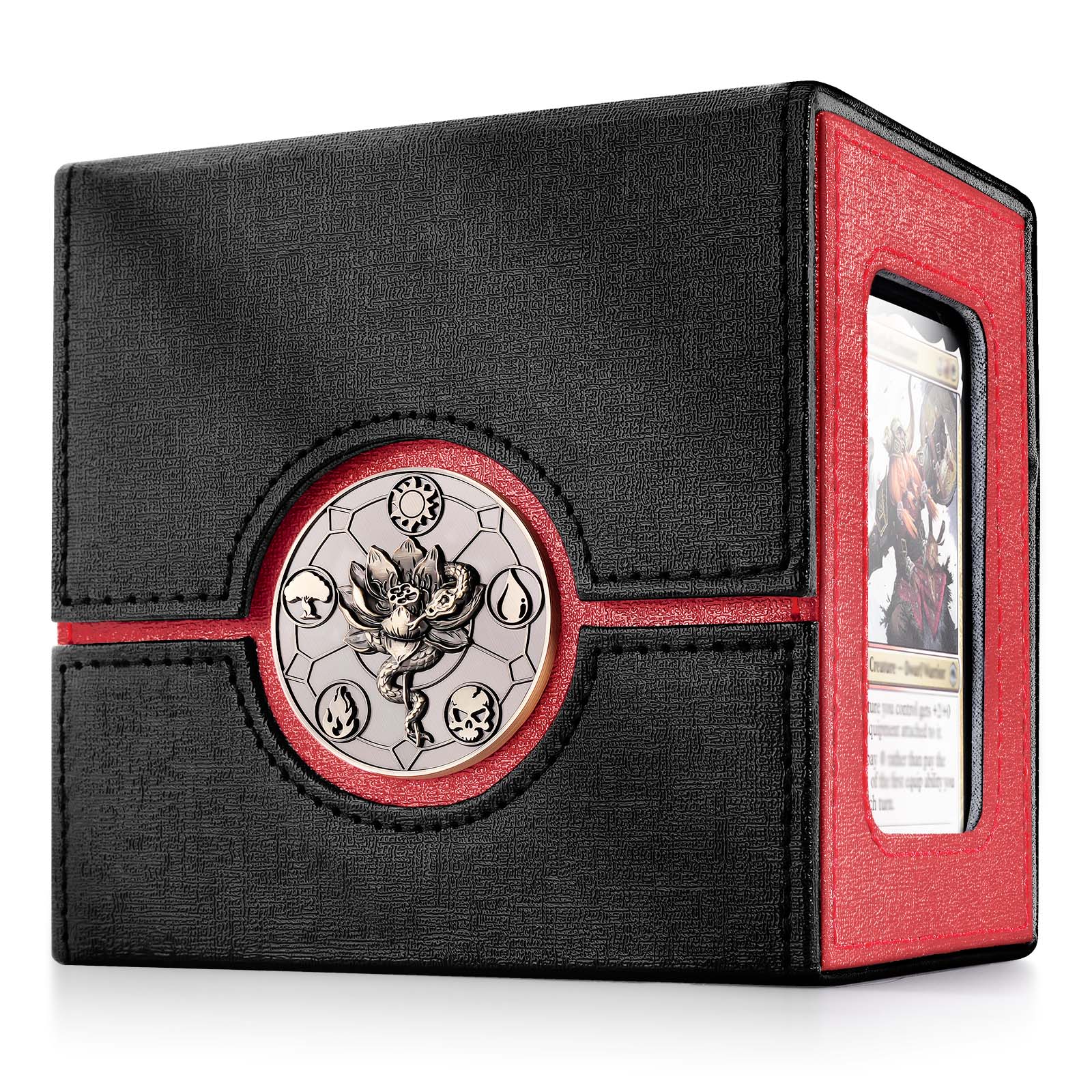
For one deck and a few accessories, a compact deck box and a small pouch may be enough.
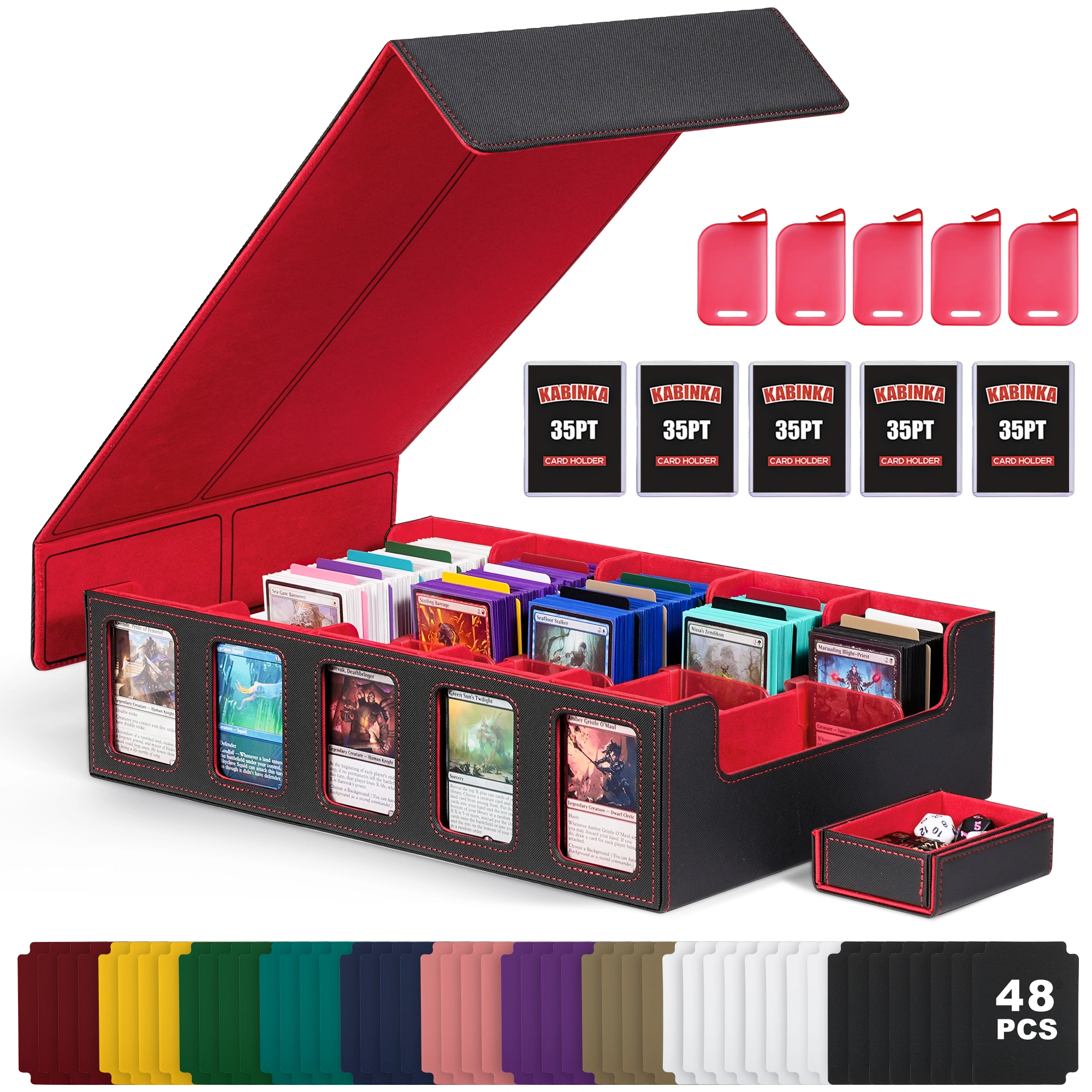
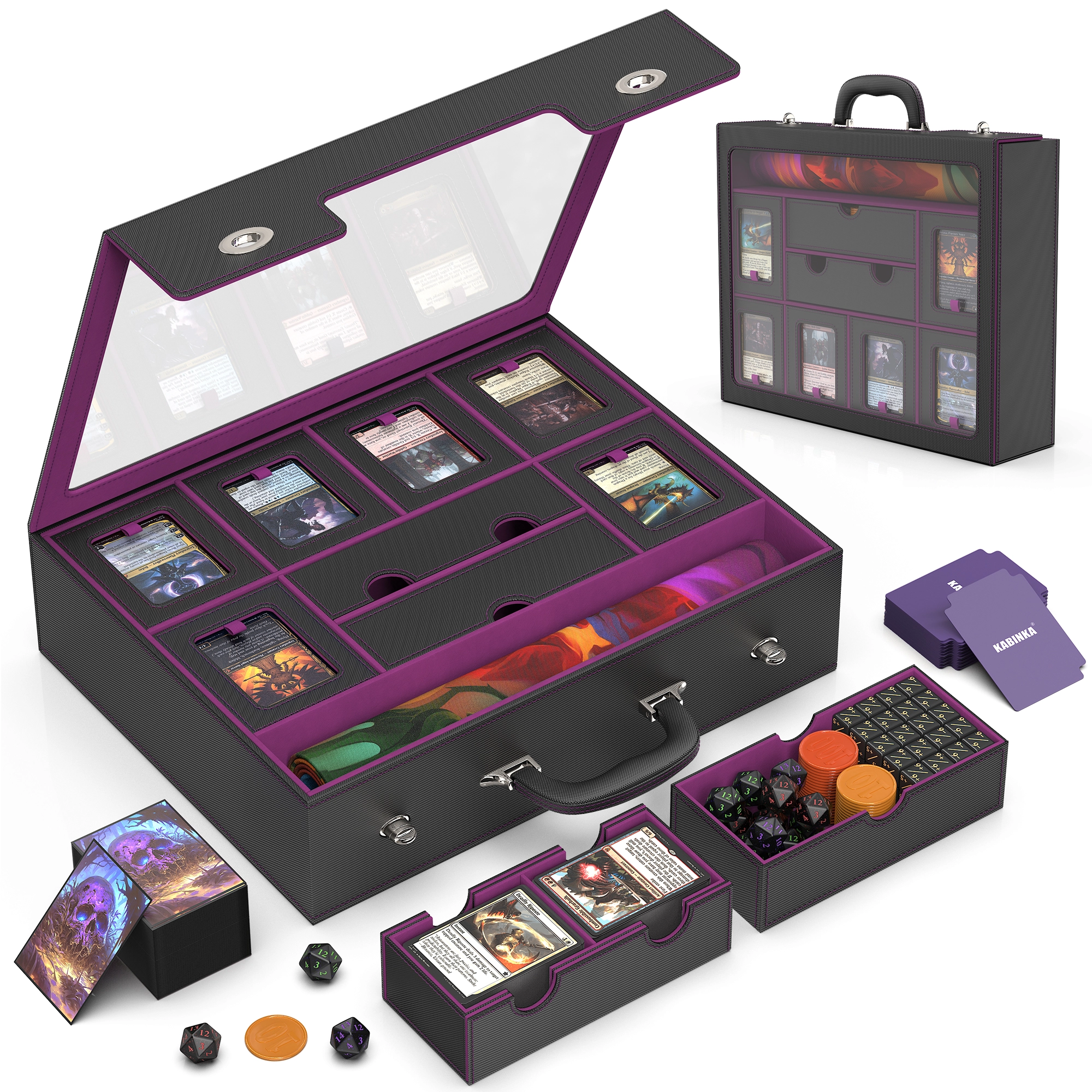
If you bring several decks, a multi-deck or modular case can help keep them together. The important question is whether its layout fits your actual setup.
Check:
The usable capacity of each deck compartment.
Whether that capacity refers to your sleeve setup.
Where tokens and accessories will go.
Whether removable sections close securely when carried separately.
Whether the packed case fits your usual bag.
Avoid filling a compartment so tightly that you need to pull hard on sleeves to remove the deck.
For more help comparing formats, read How to Choose a Deck Box for Your MTG Commander Deck.
If sleeve thickness is your main concern, see our deck box capacity guide for double-sleeved cards.
A trade binder, cards for a friend, or possible deck upgrades may be worth bringing, but keep them separate from the cards you plan to play.
Label borrowed cards or make a note of what you need to return. Leave upgrade candidates in their own section until you deliberately decide to change the deck.
If you carry a drink, use a securely closed container and keep it separate from card storage. At the table, place it away from the play area.
Before visiting a new venue, check its event time, entry arrangements, and any relevant house policies.
Once everything is packed, take a moment to confirm:
Your selected decks are complete.
Each commander and token set is included.
Dice, counters, and your tracking method are ready.
All boxes close normally.
Nothing loose is pressing against your cards.
You have any cards or items you promised to bring.
After the session, reverse the process. Return commanders to their usual places, separate tokens from decks, collect borrowed items, and put accessories back in their assigned compartments.
A quick reset makes the next game night easier to prepare for.
Not necessarily. It is a useful personal accessory, but you can decide based on your preferences and the venue’s setup.
Usually, you can choose a smaller selection. Bring the decks you expect to use rather than treating available storage space as a packing target.
Bring a clear way to represent the tokens and their characteristics, such as suitable reusable tokens. Check any event-specific requirements with the organizer.
No. A smaller setup may be easier to carry if you only need one deck. A multi-deck case becomes useful when you regularly bring several decks and accessories together.
A good game-night setup gives each item a predictable place. Your deck stays complete, its tokens are easy to find, and your accessories are ready when you need them.
Start with the essentials, add only the extras you use, and finish with a quick check before leaving.
Explore Kabinka modular deck boxes to compare layouts for carrying decks and accessories together. Review each model’s compartment capacity, dimensions, and included components to find a setup that fits your game night.
Copyright Shenzhen Rushidao Technology Co., Ltd. All Rights Reserved. POWERED BY UEESHOP


